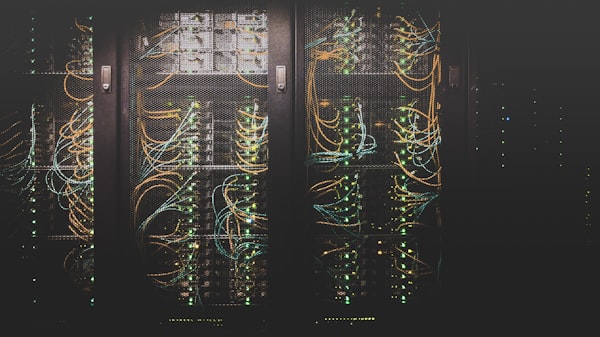
Corridor baseline survey
Static pressure mapping, intake temperature stratification, and a written aisle plan before you commit to rack positions.
Field-tested reviews of miners at 0.05 TH/s and above — matched to the intake paths, exhaust lanes, and rack spacing your room can actually sustain.

Every unit on our review list has spent at least forty-eight hours on a bench with thermocouples at the hashboard edges, fan hubs, and the nearest corridor wall. We publish hash rate at rated draw, acoustic pressure at one metre, and the minimum clear aisle width that keeps recirculation below five percent.
Static pressure mapping, intake temperature stratification, and a written aisle plan before you commit to rack positions.

Three to five miners that fit your corridor geometry, power ceiling, and noise ordinance — not a catalogue dump.

Sheet-metal transitions, baffle placement, and fan duty points when your room fights back against stacked exhaust.
Our deepest service pairs a published miner review with a walk-through of your actual aisle layout. You receive a placement sketch, thermal risk notes, and a maintenance interval tied to your dust load.
We had three S19-class units choking each other in a twelve-foot room. Their survey showed the exhaust was folding back through the intake grille — moved one rack six inches and added a baffle. Junction temps dropped eleven degrees. Wish they'd flagged the ceiling clearance sooner; we still need a low-profile duct.
The written shortlist saved us from buying a miner that would've tripped our breaker on peak draw. Report was blunt about noise — accurate, though my neighbour still complained once.

How wet-season air density shifts CFM through window intakes and when to add a desiccant stage.

A step-by-step field method we use before recommending rack positions in L-shaped mining rooms.